1. From AutoCAD to Revit – A Smarter Shift
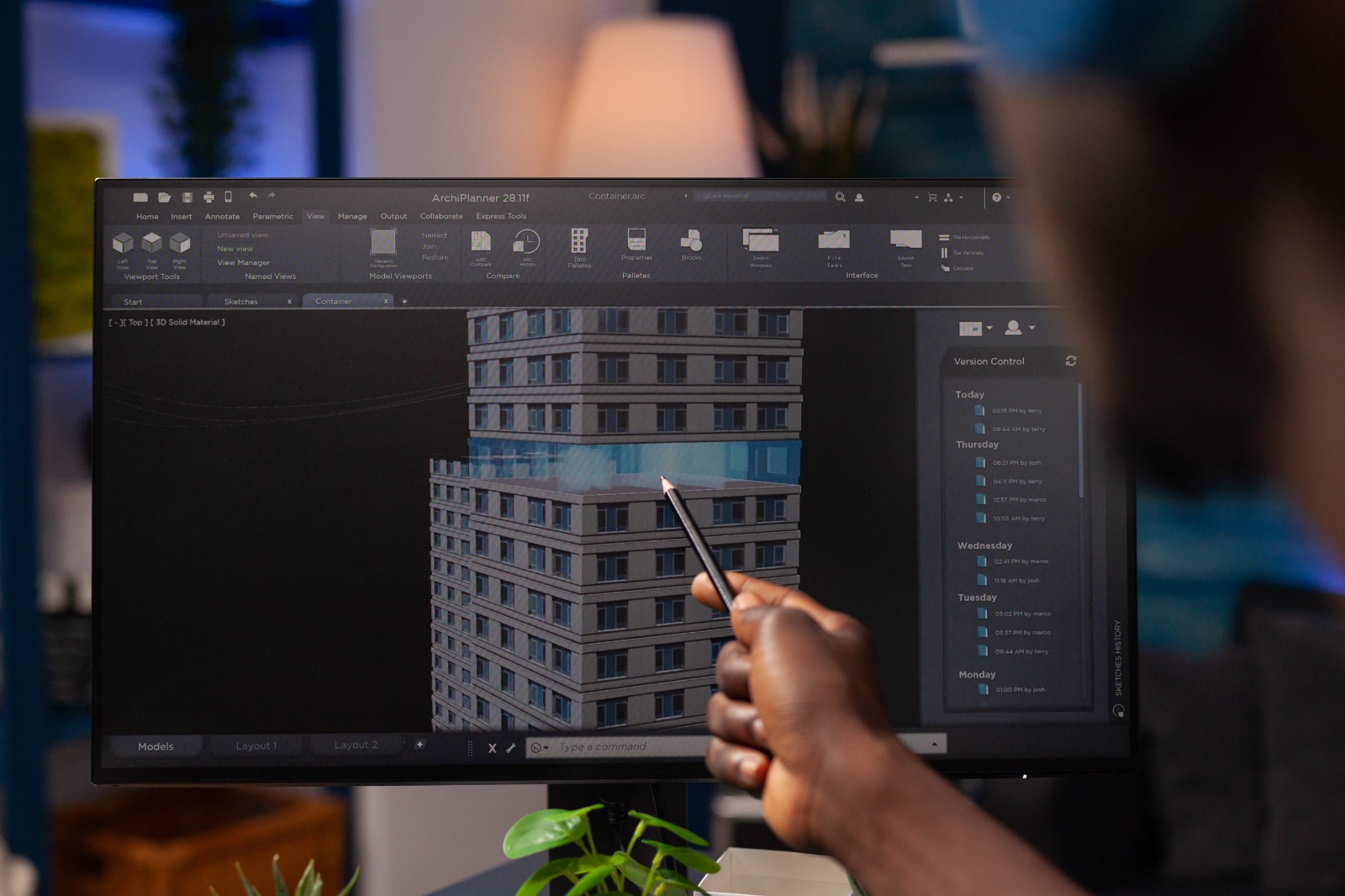
While AutoCAD introduced 2D and 3D drafting, Autodesk Revit takes civil and architectural design to the next level with Building Information Modeling (BIM). It allows architects and civil engineers to work in a 3D collaborative environment where every change is updated across the project instantly.
Training centers in Coimbatore (Kinathukadavu), Pollachi, and Udumalpet now focus on teaching Revit alongside AutoCAD, preparing engineers and architects for future-ready careers.
2. Enhanced 3D Visualization & Accuracy
Revit provides architects with realistic 3D models, walkthroughs, and simulations that make project visualization easy. Unlike traditional drafting, Revit automatically adjusts floor plans, sections, and elevations when a design is modified.
Students in Pollachi, Coimbatore, and Dindigul learn to create lifelike building designs, reducing project errors and saving time during construction.
3. BIM Collaboration for Civil Projects
One of the major benefits of Revit is BIM (Building Information Modeling). Civil engineers, architects, and MEP professionals can collaborate on a single model, ensuring smooth communication and fewer conflicts during project execution.
Institutes in Udumalaipettai, Dharapuram, and Coimbatore train students in BIM-based Revit workflows for highways, smart cities, and commercial projects, making them industry-ready.
4. Structural & Civil Engineering Applications
Revit is not just for architects—it is powerful for civil engineers too. From structural analysis to reinforcement detailing and quantity take-off, Revit speeds up civil works design with higher accuracy.
Training academies in Coimbatore, Dindigul, and Pollachi emphasize hands-on practice with Revit Structural tools, ensuring engineers can handle real-world construction challenges.
5. Integration with Smart Infrastructure & Sustainability
With the rise of smart cities and green buildings, Revit is widely used for energy-efficient designs, solar studies, and sustainability analysis. It integrates with InfraWorks and Navisworks for end-to-end civil project management.
Local training institutes in Kinathukadavu, Sulur, and Perundurai offer Revit BIM courses where students learn collaborative workflows, cloud sharing, and coordination with architects and contractors.
6. Future of Revit in Civil & Architectural Industry
The future of Revit is aligned with AI-driven design, automation, and cloud-based collaboration. Civil engineers and architects will use Revit alongside drones, IoT, and GIS for smarter infrastructure.
In Coimbatore, Pollachi, and Udumalpet, students are being trained in Revit BIM for upcoming industry demands, making them highly employable in construction and design companies across South India.
With increasing demand for Revit skills in the architecture and civil industry, those who master Revit will secure high-paying jobs and career growth opportunities worldwide.